Balsamic, an exceptional product
The invention of balsamic vinegar goes back to a handful of vinegar makers in the Modena region of Italy where the traditional recipe is protected by a consortium with strict criteria. This product has nothing to do with wine vinegar because it is not made from wine but … from grape must .
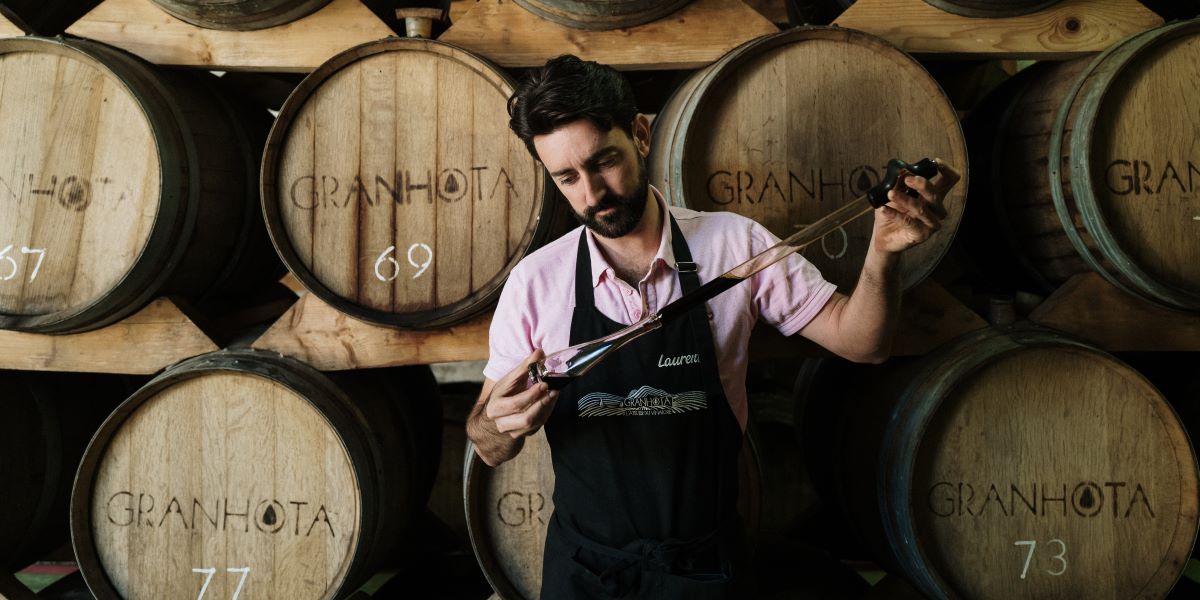
Balsamic is a very slow reduction of unfermented grape juice. The musts are cooked at low temperature to concentrate their aromas, then they are placed in barrels under tiles and continue to reduce thanks to the heat of the sun. Depending on the desired aromas, the master vinegar maker will choose different types of wood.
Nearly seven kilos of grapes are needed to produce just one liter of balsamic. The angels' share is therefore considerable. The traditional method requires a minimum aging of 12 years and does not tolerate any other ingredient than grape juice. The label must therefore mention "grape must". However, it is difficult to find a balsamic in stores that does not contain caramel, sugar, sulfites, etc.
While waiting for the first traditional 12-year-old balsamics, we are marketing a 100% natural blended balsamic.
How is Granhota balsamic vinegar made?
-

The grape harvest
The grapes are harvested when ripe and then pressed to extract the juice. The must is then filtered and serves as raw material for the production of balsamic vinegars.
-

Cooking
The freshly obtained grape juice will cook for several days at low temperature to concentrate the juices. We then obtain a syrupy and very aromatic liquid.
-

Aging
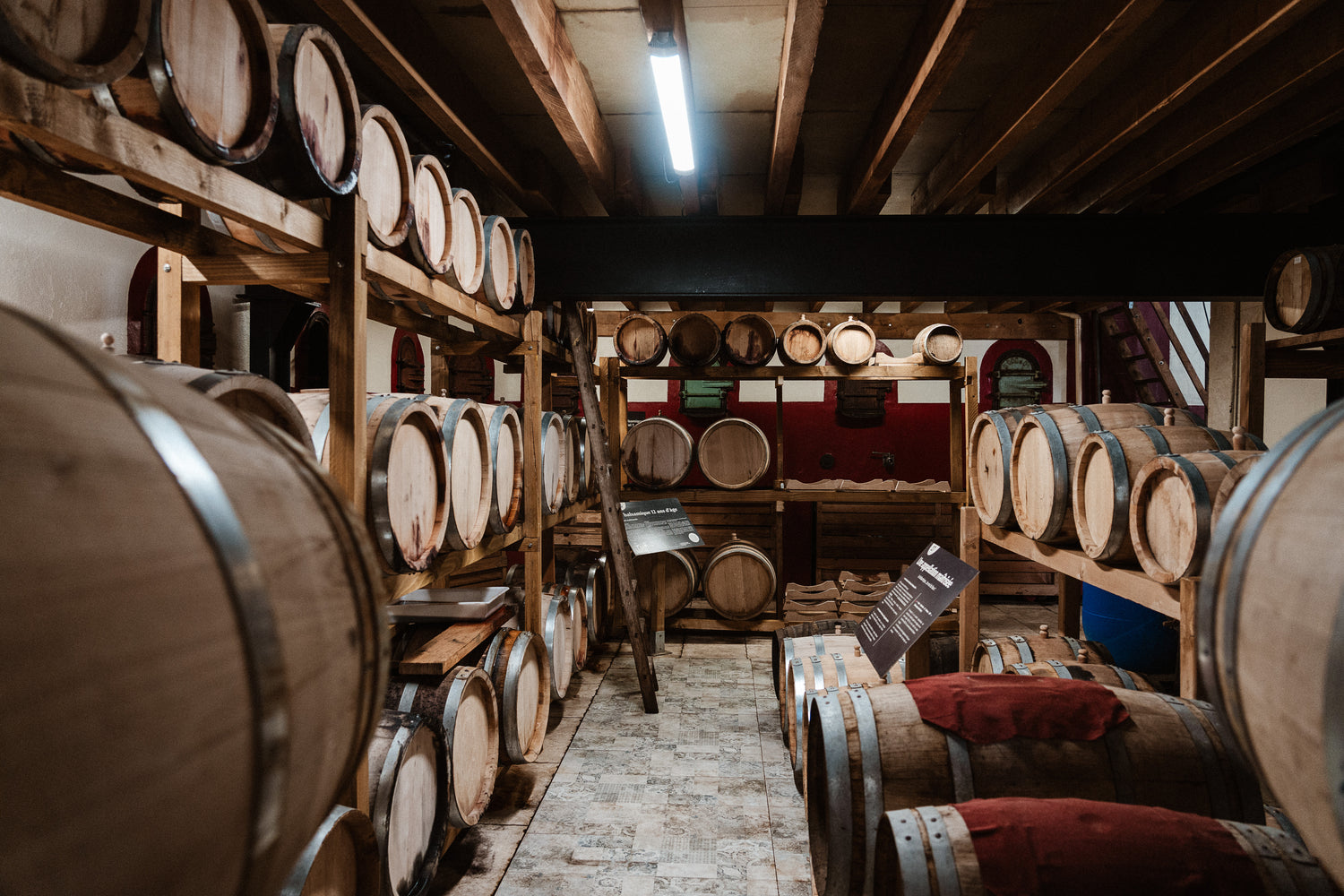
The balsamic is then transferred to barrels under the tiles for aging where it will continue to reduce and concentrate. It is at this stage that the aromas will develop and the balsamic will take on its full aromatic structure.
-

The assembly
Our balsamic is blended in a minority way with a little of our old wine vinegars. This final step gives it the right balance between acidity and density before bottling.
-

Bottling
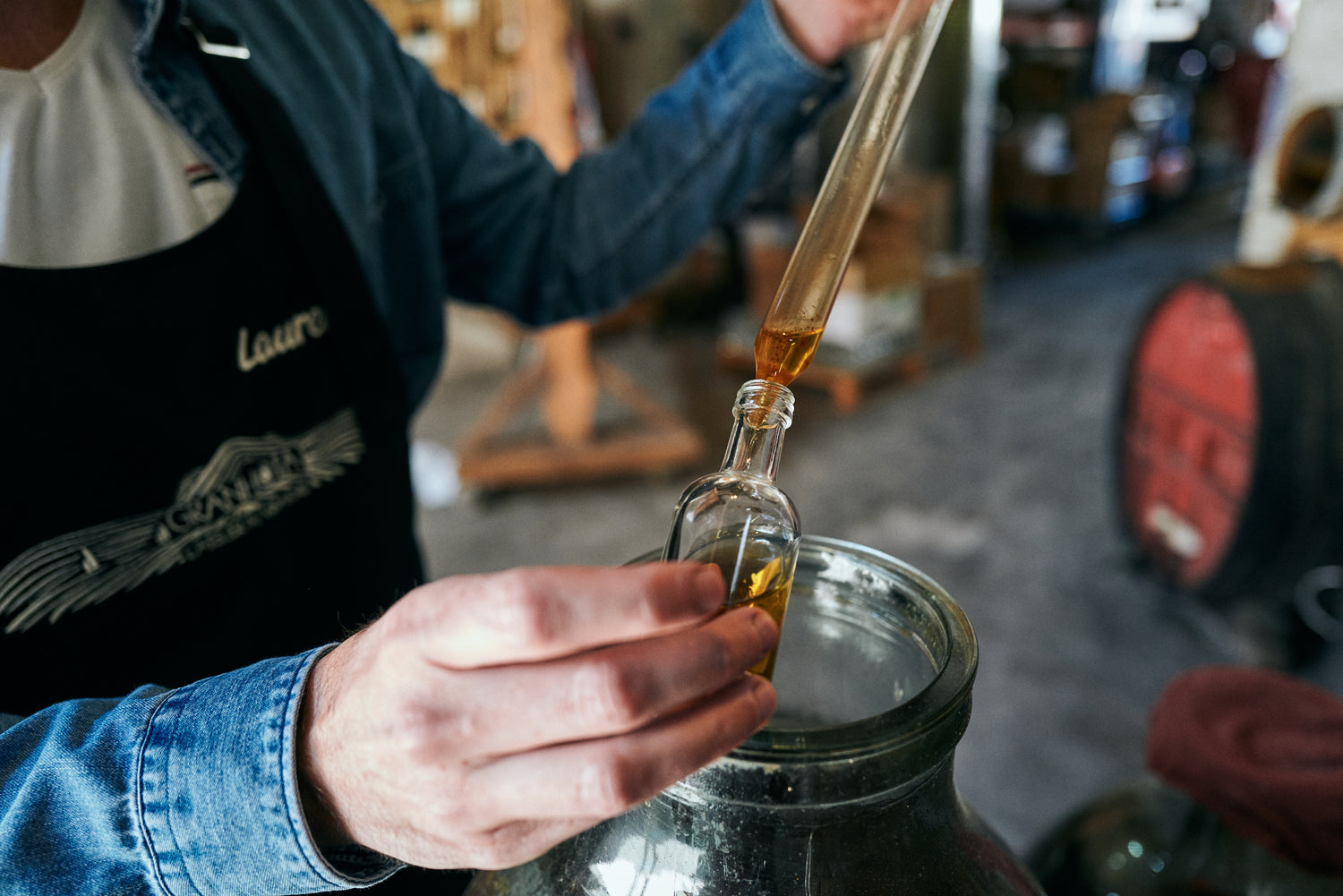
All our vinegars are bottled in the workshop by us.


What is the difference with wine vinegar?
Production based on must
Use of the must, cooking, assembly.
A thicker, sweeter vinegar
Density, ...
Balsamic vinegar or balsamic condiment?
Balsamic is a non-standard application, so it can be used to describe any product.
On the other hand, a vinegar must respect a certain number of standards, including the acidity rate (>5%) and sugar ?.
Few vinegar makers can make artisanal balsamic vinegar, because it requires a precise balance of acidity and sugar.
Most balsamics on the market are not vinegars!
Would you like more information?
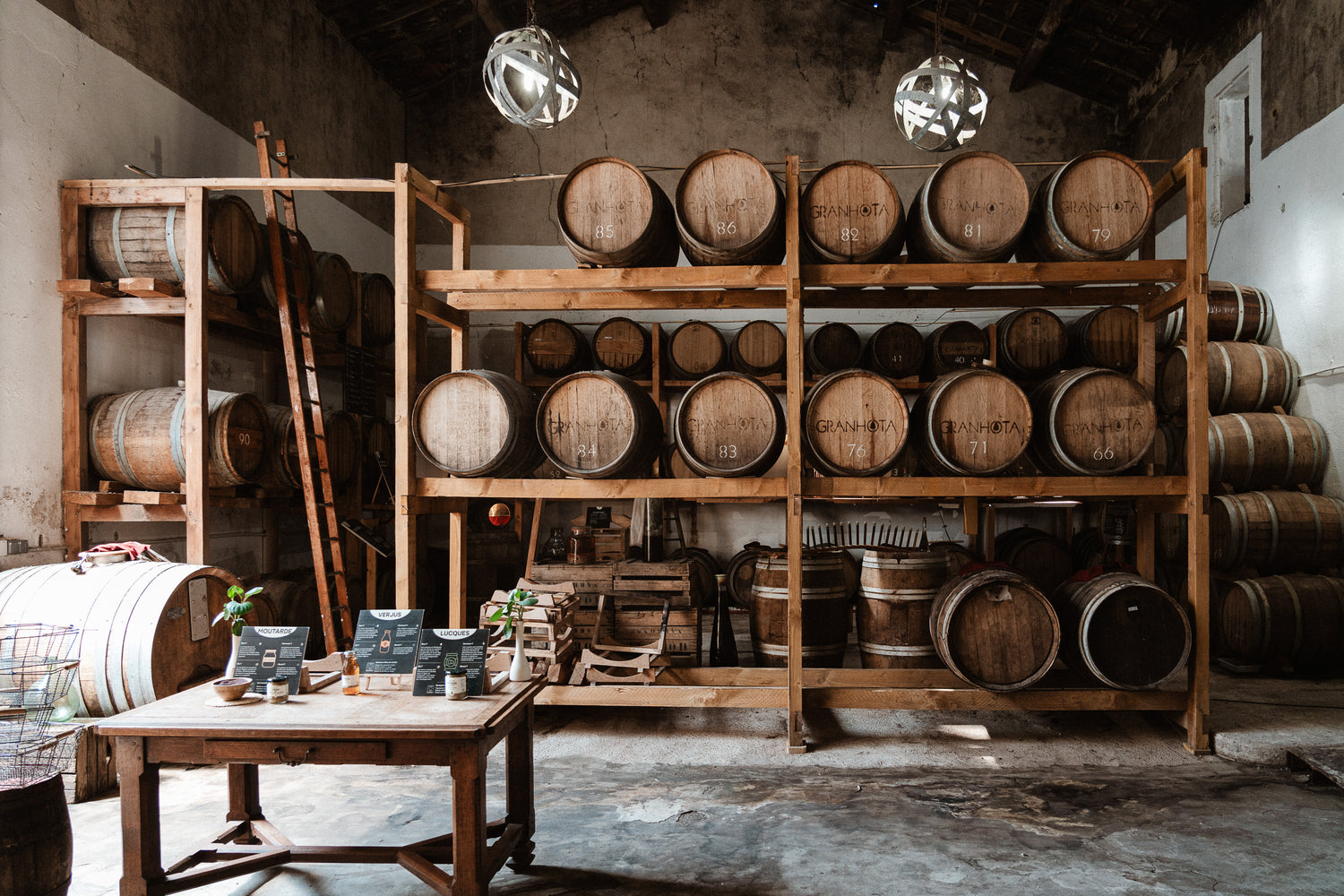
We invite you to visit us at the vinegar factory, where you can learn more about our manufacturing methods and taste our latest innovations as you wander around the barrels!
Find the balsamics
-
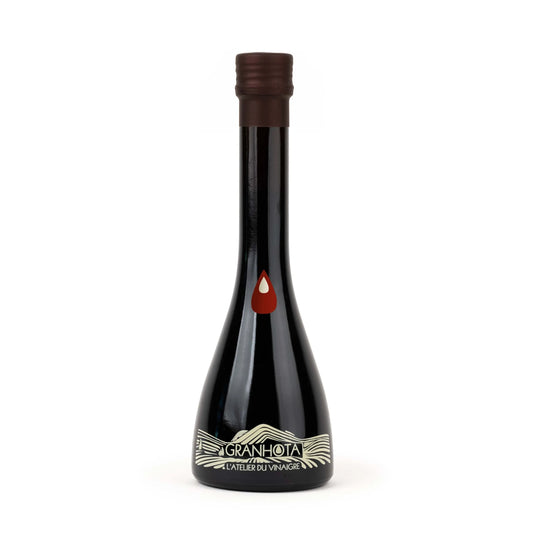
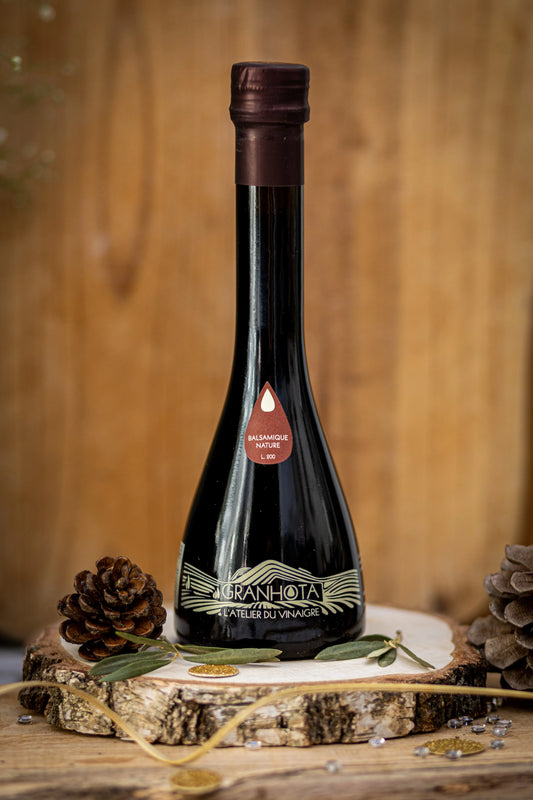
Natural balsamic
Regular price 12,00€Regular priceUnit price 48,00€/L -
Balsamic Refill
Regular price From 36,00€Regular price -
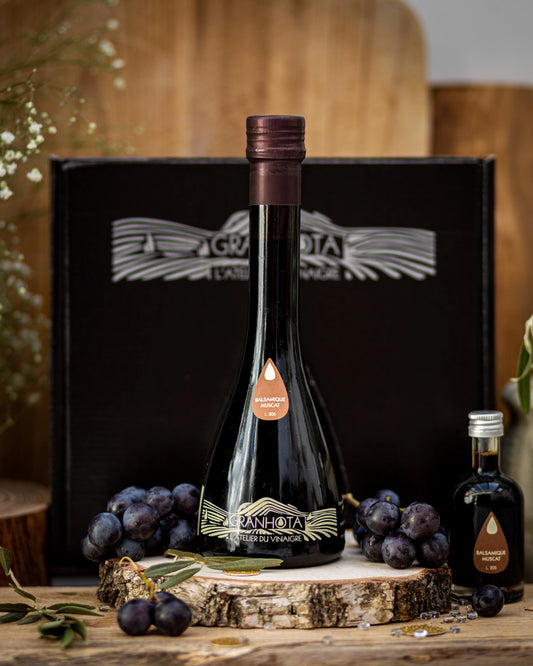
Balsamic muscat
Regular price 14,00€Regular priceUnit price 56,00€/L -
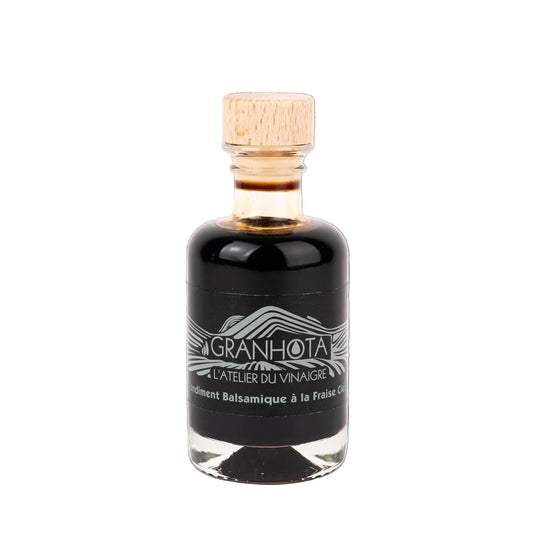
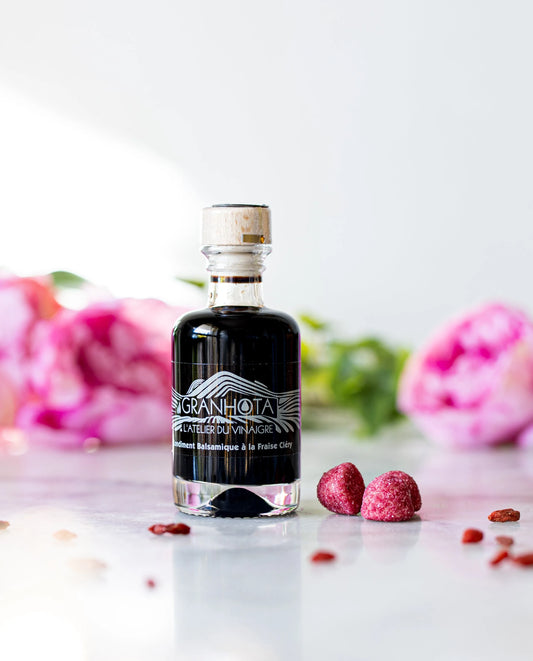
Cléry strawberry balsamic
Regular price 9,50€Regular priceUnit price 95,00€/L -
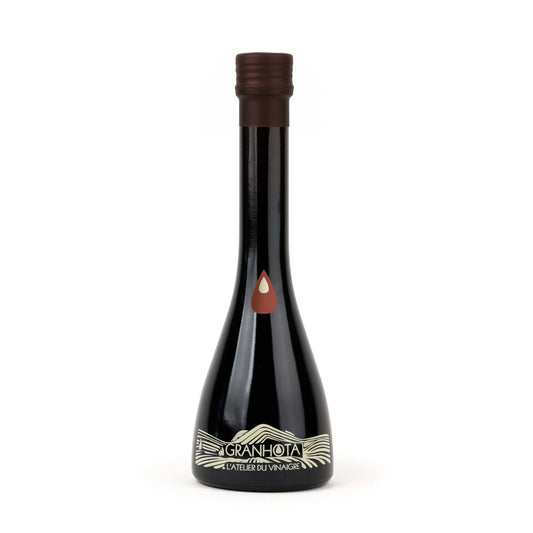
Natural balsamic
Regular price 12,00€Regular priceUnit price 48,00€/L -
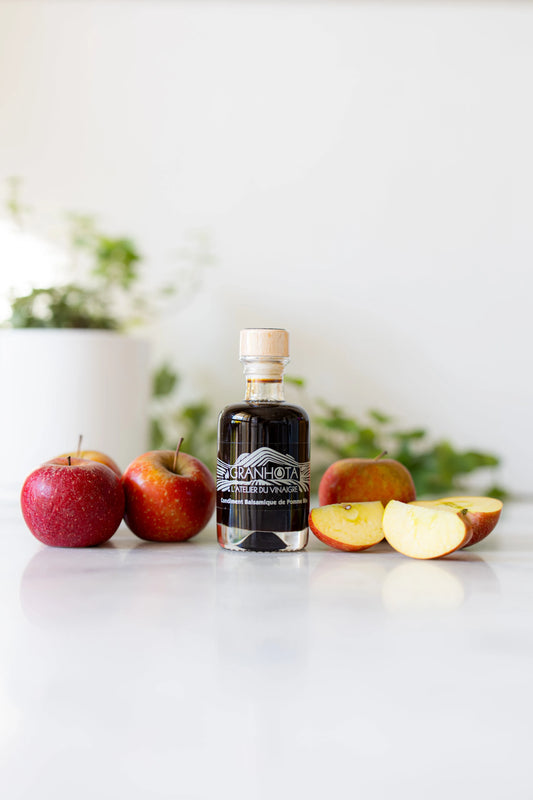
Organic apple balsamic
Regular price 9,50€Regular priceUnit price 95,00€/L